
Category: Tech
-
When Prompt Injection Gets Real: Use GraphQL Federation to Contain It
Controls built for human users don’t hold up against LLMs. A federated GraphQL layer, not more prompt filtering, is what contains prompt injection.
-

Cosmo Connect Tutorials for Router Plugins and gRPC Services
Tutorials for Cosmo Connect: build federated GraphQL APIs without a GraphQL server, using Router plugins and gRPC services.
-

Acoustic saves $178K in engineering costs with WunderGraph Cosmo
Acoustic, a marketing platform serving 3,500+ brands, cut a projected $178K in engineering costs by moving to WunderGraph Cosmo.
-

Over 15 Years of APIs with Kevin Swiber
Kevin Swiber on 15+ years of API design, why autonomous teams create sprawl, and why boring, stable infrastructure beats novelty.
-

The Architecture Behind 40 Deploys a Day at Luxury Presence
Luxury Presence unified its frontend and backend on WunderGraph Cosmo, cutting review complexity and reaching 40 deploys a day.
-
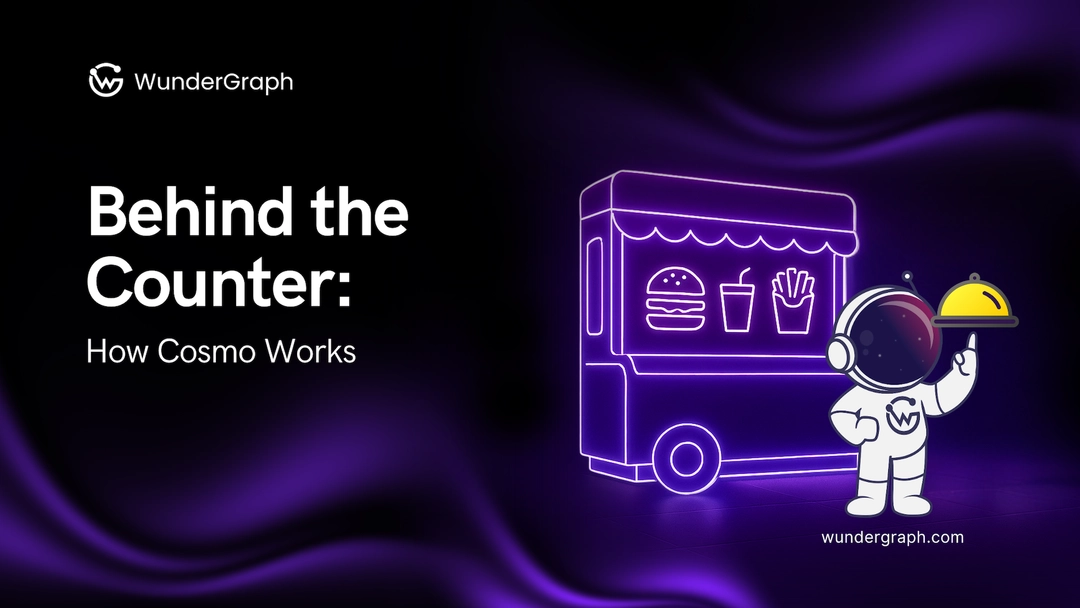
Behind the Counter: How Cosmo Works
How Cosmo works, explained through a food park: one router coordinating independent kitchens into a single menu, with no chaos the customer sees.
-

Scaling GraphQL Federation: Inside Cosmo’s Food Park
Why GraphQL federation exists: systems grow from one monolith into many independent services, and federation keeps that growth from breaking things.
-
When to Migrate from Cosmo OSS
Cosmo OSS covers GraphQL federation with no lock-in. Here’s when it’s time for Cosmo Enterprise: governance, observability, and support at scale.
-
Syncing Up in Bretten: Final Thoughts
Originally posted on WunderGraph Wrapping up a Week in Bretten Today marks our last day together in Bretten. As we close out this week-long sprint, I think it’s safe to say that it has been an excellent experience for everyone, including new teammates and those who have been with the company from the beginning. It was natural…
-
Syncing Up in Bretten: Day 1
Day 1 of WunderGraph’s team retreat in Bretten, Germany: a distributed team getting in a room to align on what’s coming next.